Six bases, one uniform fleet, one purpose

At Greybird, bases and fleet are no coincidence. They are part of how the training is designed. You study theory close to where you live, and you train in a uniform fleet where nothing contradicts what you have already learnt.

Two Greybird students in uniform walking through a Spanish town square at sunset

Flight bases close to your everyday life

At Greybird Pilot Academy, you study the theory at your home base, close to where you live, while flight training takes place from Aarhus and Córdoba. Greybird covers travel and accommodation when you train at a base other than your own.

That is how you get an international education that still fits around your everyday life.

New bases on the way
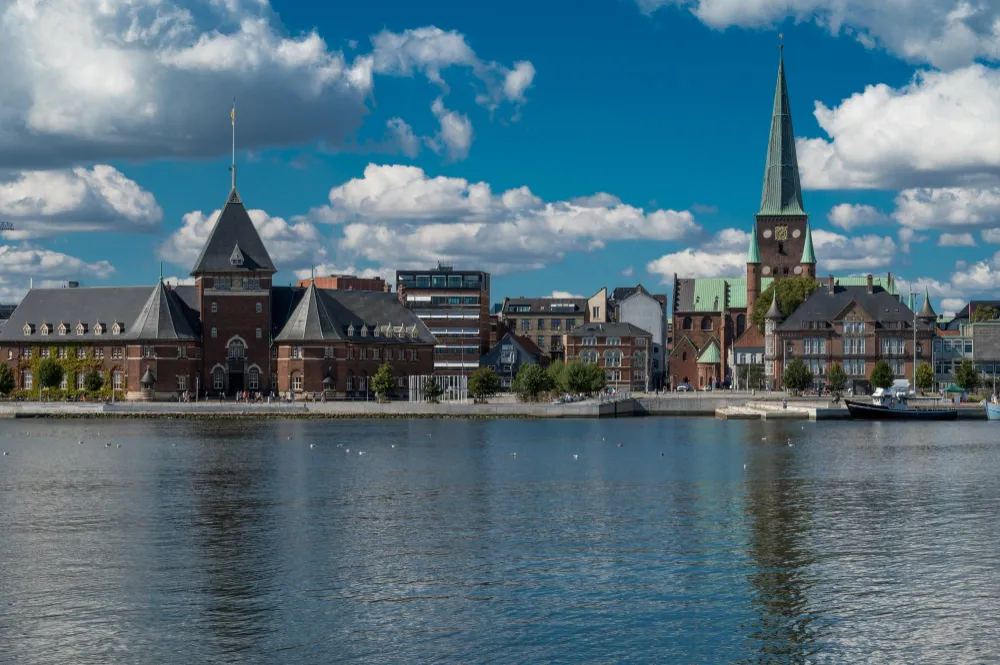
Aarhus harbour skyline with the cathedral spire

Aarhus (DK)

Greybird's headquarters and primary flight base. This is where you find the aircraft, the simulators, and most of the practical training.

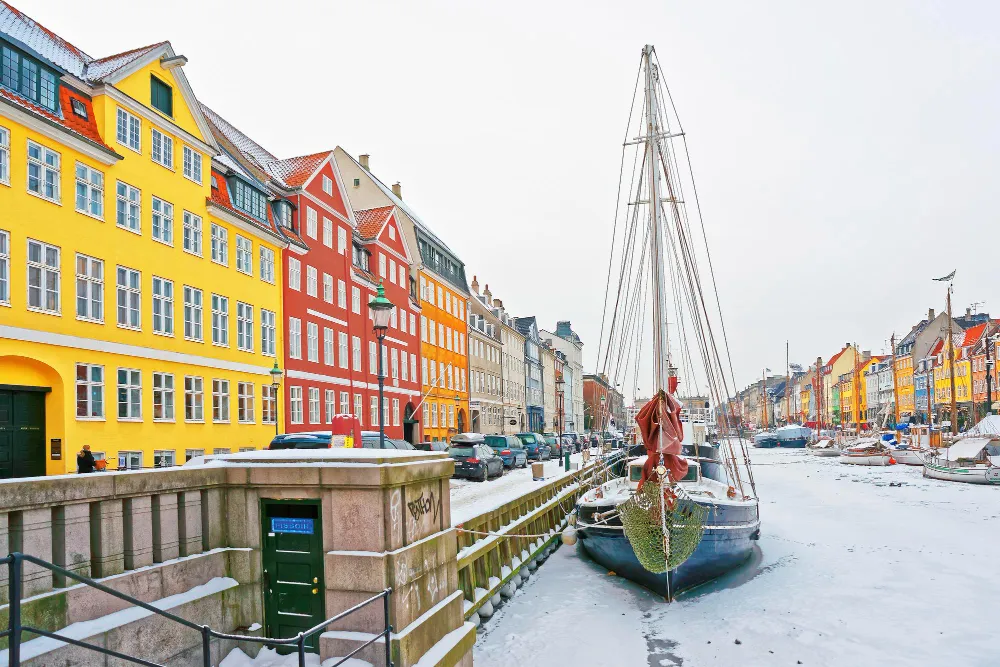
Nyhavn canal in Copenhagen with colourful houses and a moored boat in snow

Copenhagen (DK)

For students from the capital and Zealand. Here you study theory and have your daily base in one of Europe's most vibrant cities.

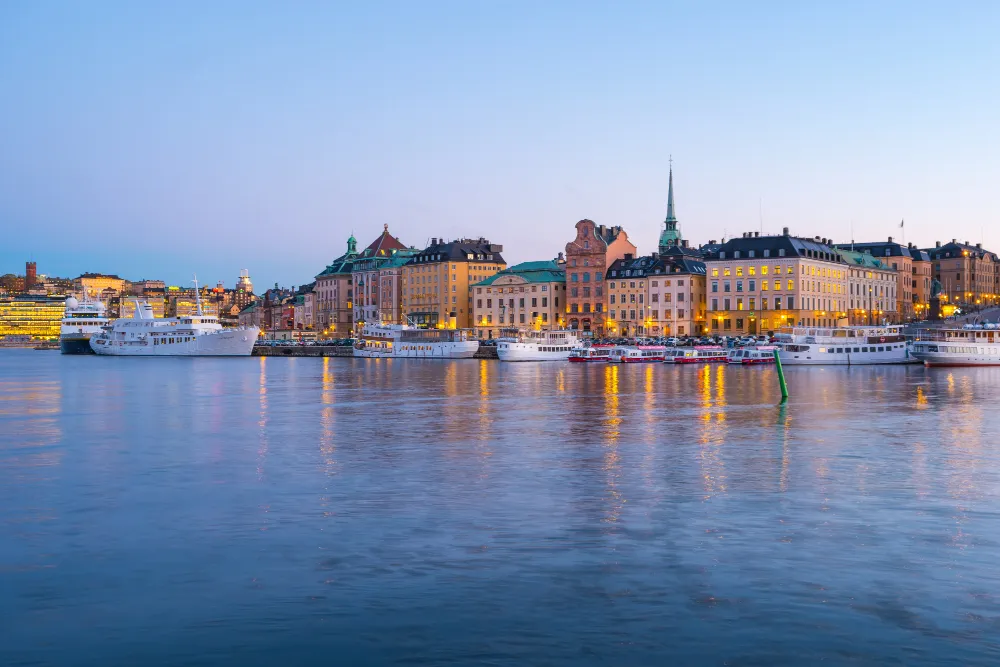
Stockholm's Gamla Stan skyline reflected in the water at dusk

Stockholm (SE)

Greybird's Swedish base in the heart of Stockholm. This is where your classrooms and common areas are, while flight training takes place at one of the flight bases.

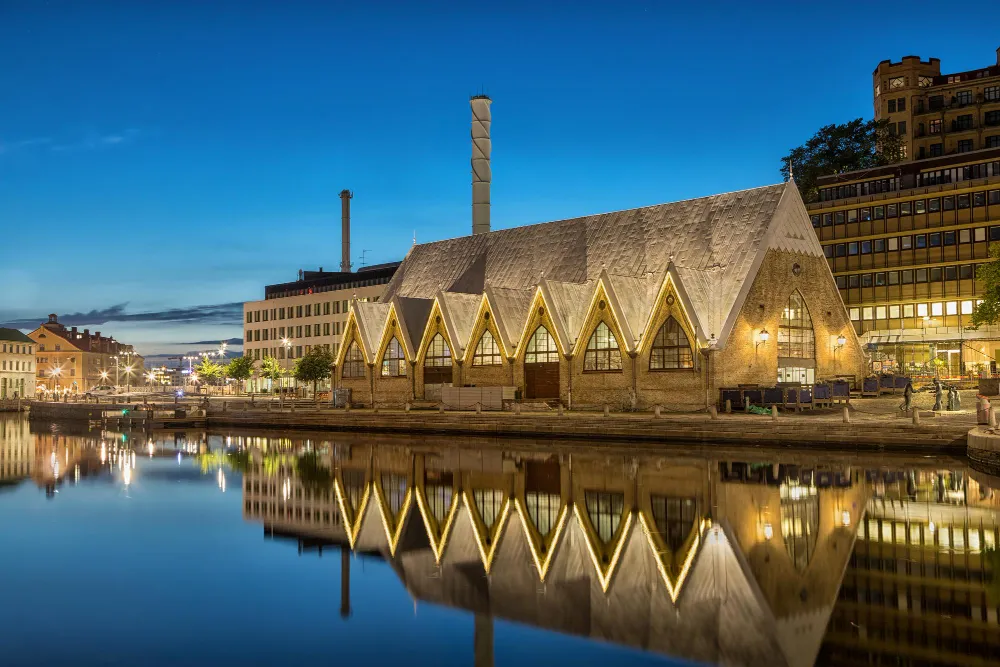
Feskekôrka fish market hall in Gothenburg reflected in the canal at night

Gothenburg (SE)

Home base and theory base for students from western Sweden.

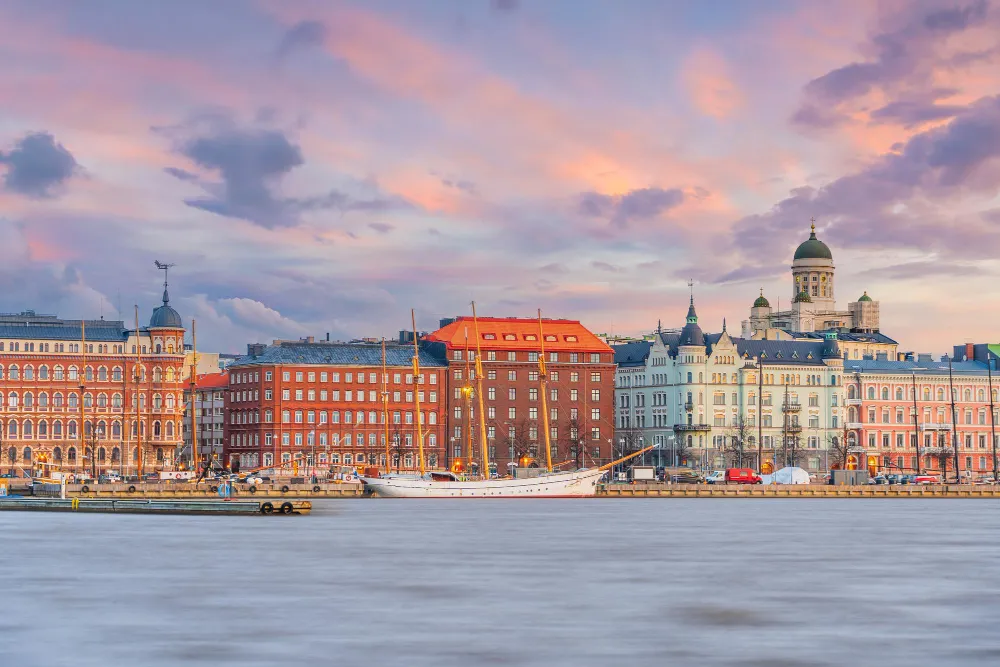
Helsinki waterfront skyline with cathedral dome at sunset

Helsinki (FI)

Greybird's northernmost base. Here you study theory in the Finnish capital before flight training takes you south.

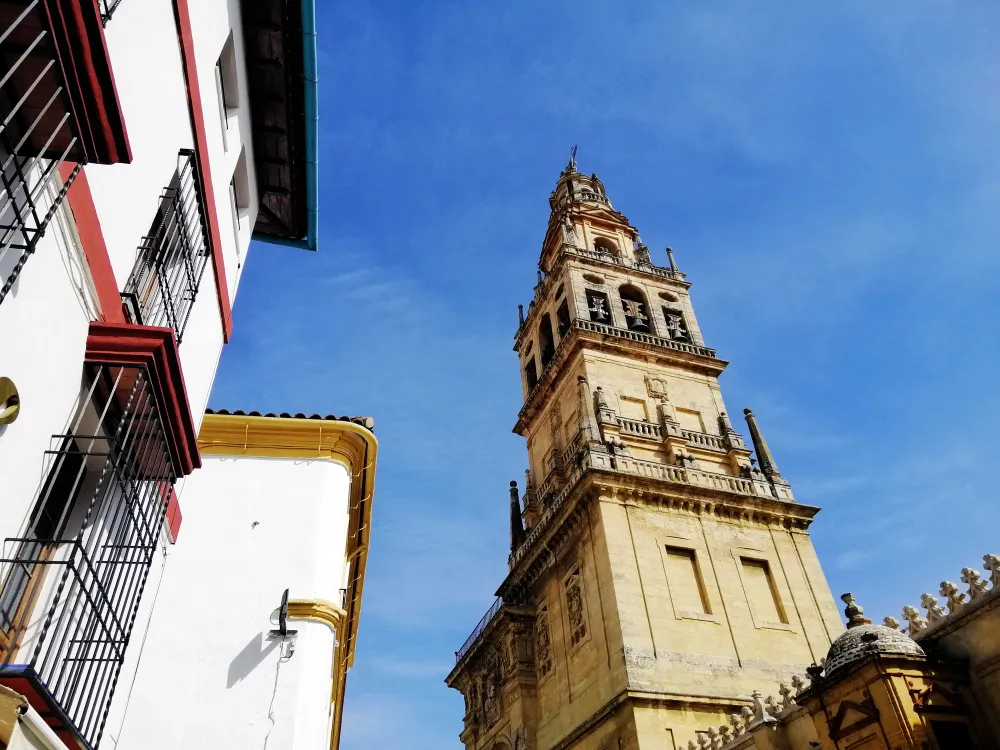
Bell tower of Córdoba's Mezquita-Catedral against a blue sky

Córdoba (ES)

Greybird's southern European flight base. Part of the practical flight training takes place here, especially in winter when the weather provides optimal flying conditions.

A fleet built for positive learning

Nothing in your training may contradict anything else you have learnt. That is why you never fly two different aircraft types in the same module, and our procedure simulator is an exact replica of the twin-engine aircraft you train in. We call it positive training: a uniform fleet, a standardised system, and full-time instructors all the way, so every flight hour builds on the one before.
00
1
Single-Engine Tecnam P2002JF
00
2
Twin-Engine Tecnam P2006T
00
3
UPRT Aircraft Bellanca 8KCAB Decathlon
00
4
FNPT II – Procedure Simulator
00
5
A320 – MCC Simulator
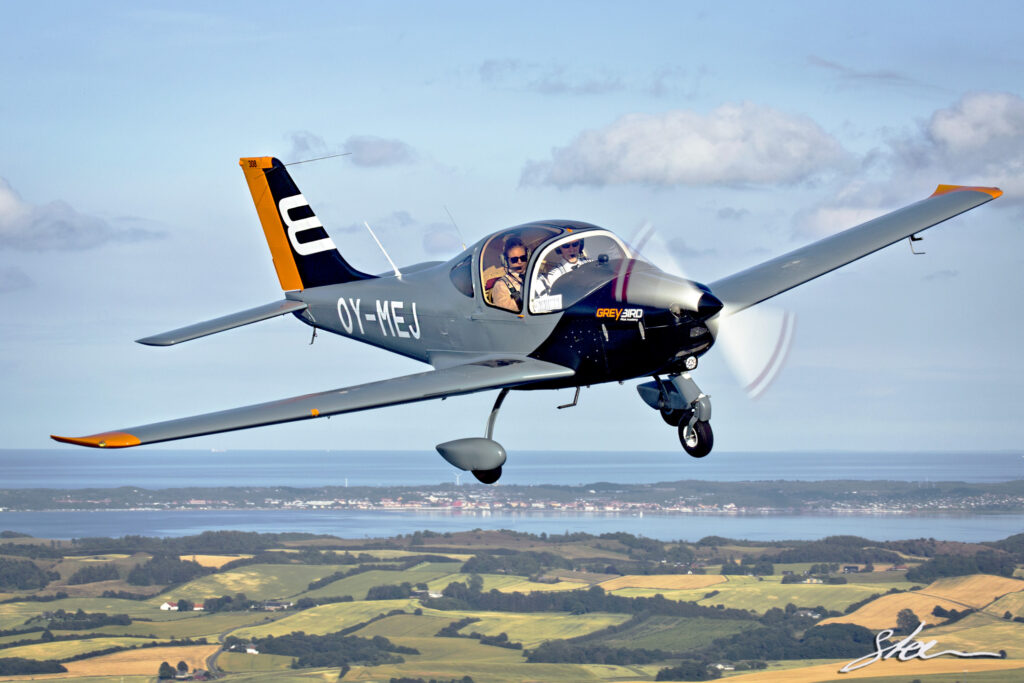
Single-engine Tecnam P2002JF Greybird aircraft in flight over coastline
Your first training aircraft. Designed to train pilots.

Single-Engine Tecnam P2002JF

A low-wing single-engine aircraft with good visibility, designed with the single purpose of training pilots. The handling is quick and responsive, and the low weight makes the aircraft easy to control. You fly 75 hours in this type, of which up to 50 are solo flying. The same aircraft type all the way through basic flying, so you can focus on learning instead of adapting to a new cockpit.

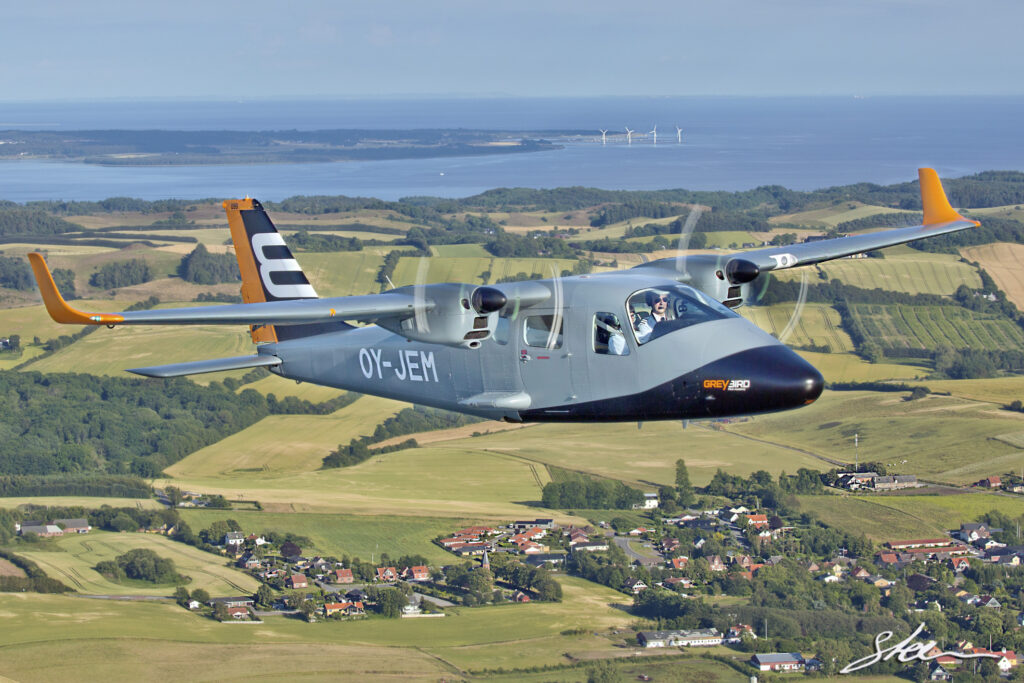
Twin-engine Tecnam P2006T Greybird aircraft in flight over farmland
Twin-engine training aircraft with a complete glass cockpit.

Twin-Engine Tecnam P2006T

A high-wing twin-engine aircraft built for pilot training. All your IFR and CPL training takes place in this aircraft type, and this is also where you fly both of your skill tests. Same manufacturer as the P2002JF, so the transition feels natural even though the complexity increases. This is also the aircraft where you fly your SPIC trips, travelling across Europe as Student Pilot in Command.

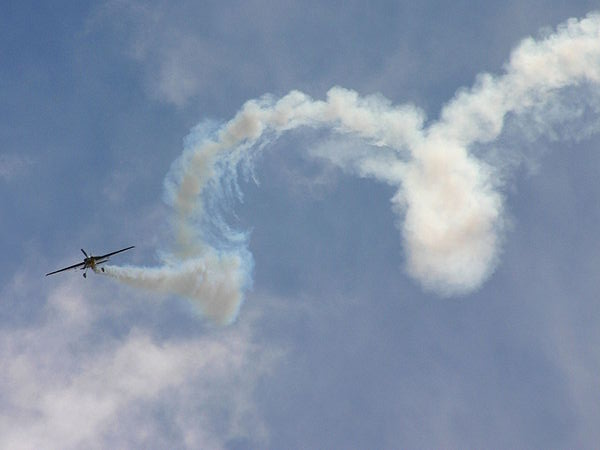
Aerobatic UPRT aircraft trailing smoke during an upset-recovery manoeuvre
Aerobatic aircraft for training in unusual flight attitudes.

UPRT Aircraft Bellanca 8KCAB Decathlon

The aircraft is 100% aerobatic and capable of more than the training requires. You will experience fully developed spins, zero gravity and several G. Here you fly with a specialised aerobatics instructor and learn to recognise and handle situations most pilots never experience. These are your last flights in small aircraft, and they take place from Aarhus Airport.

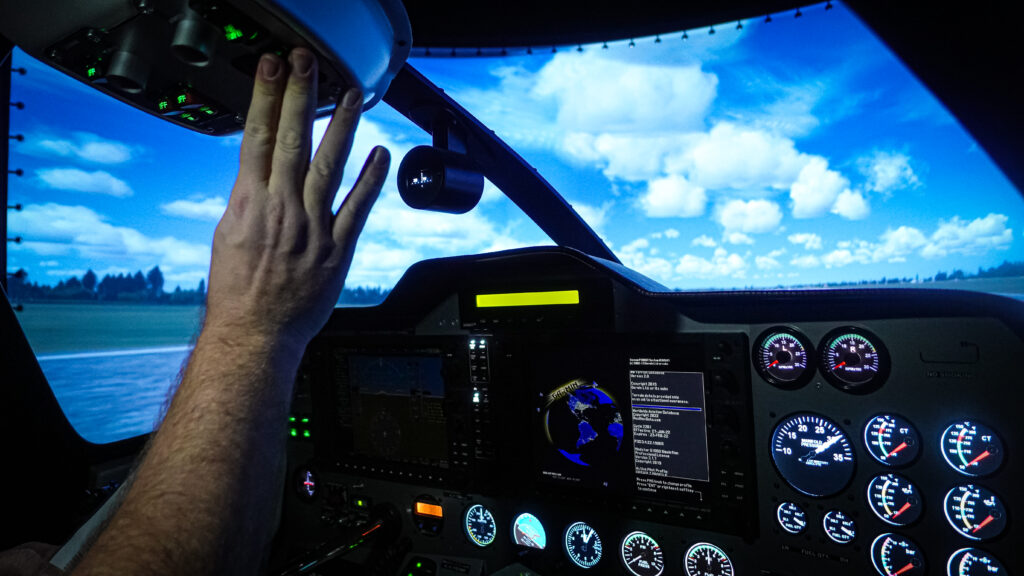
Pilot's hand on the overhead panel inside an FNPT II simulator cockpit
A replica of the P2006T with the same cockpit and procedures as the real aircraft.

FNPT II – Procedure Simulator

All flows in the cockpit, all calculations and all procedures are the same as in the real aircraft. You do not need to learn anything new when you switch between aircraft and simulator. The simulator is approved for training procedures and emergencies and is a good example of what we call positive training.

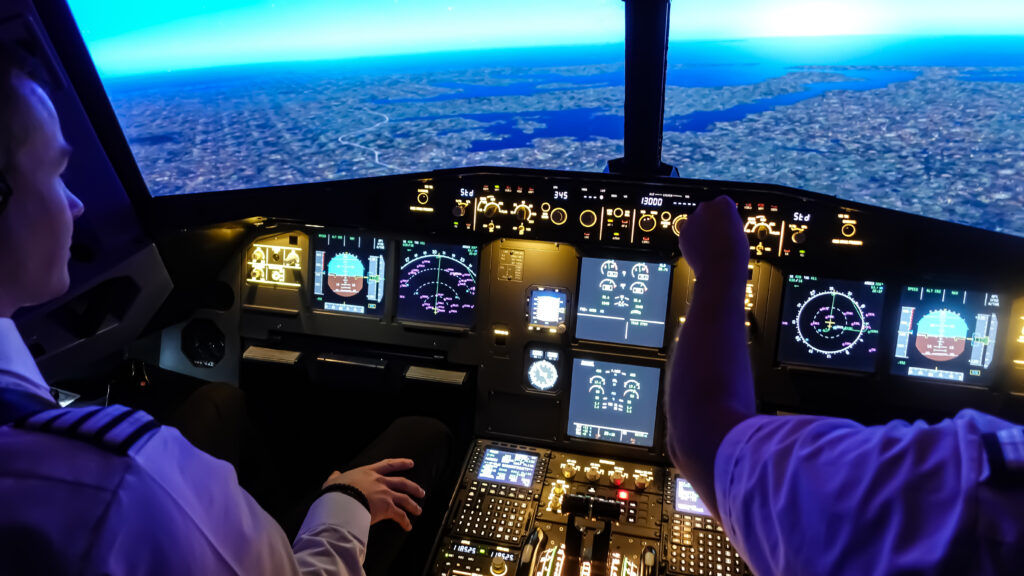
Two pilots in an A320 MCC simulator during a night approach
The last step before your career as a commercial pilot.

A320 – MCC Simulator

A replica of an Airbus A320 that flies extremely realistically. The simulator is new and built to our specifications. This is where you move from a pilot in small aircraft to a pilot who can fly large jets together with other pilots. The APS MCC course takes you through 10 sessions of four hours each. When you are done, you are ready to handle any type rating and apply for a job at an airline.